
リンパドレナージュジンジャー足湯
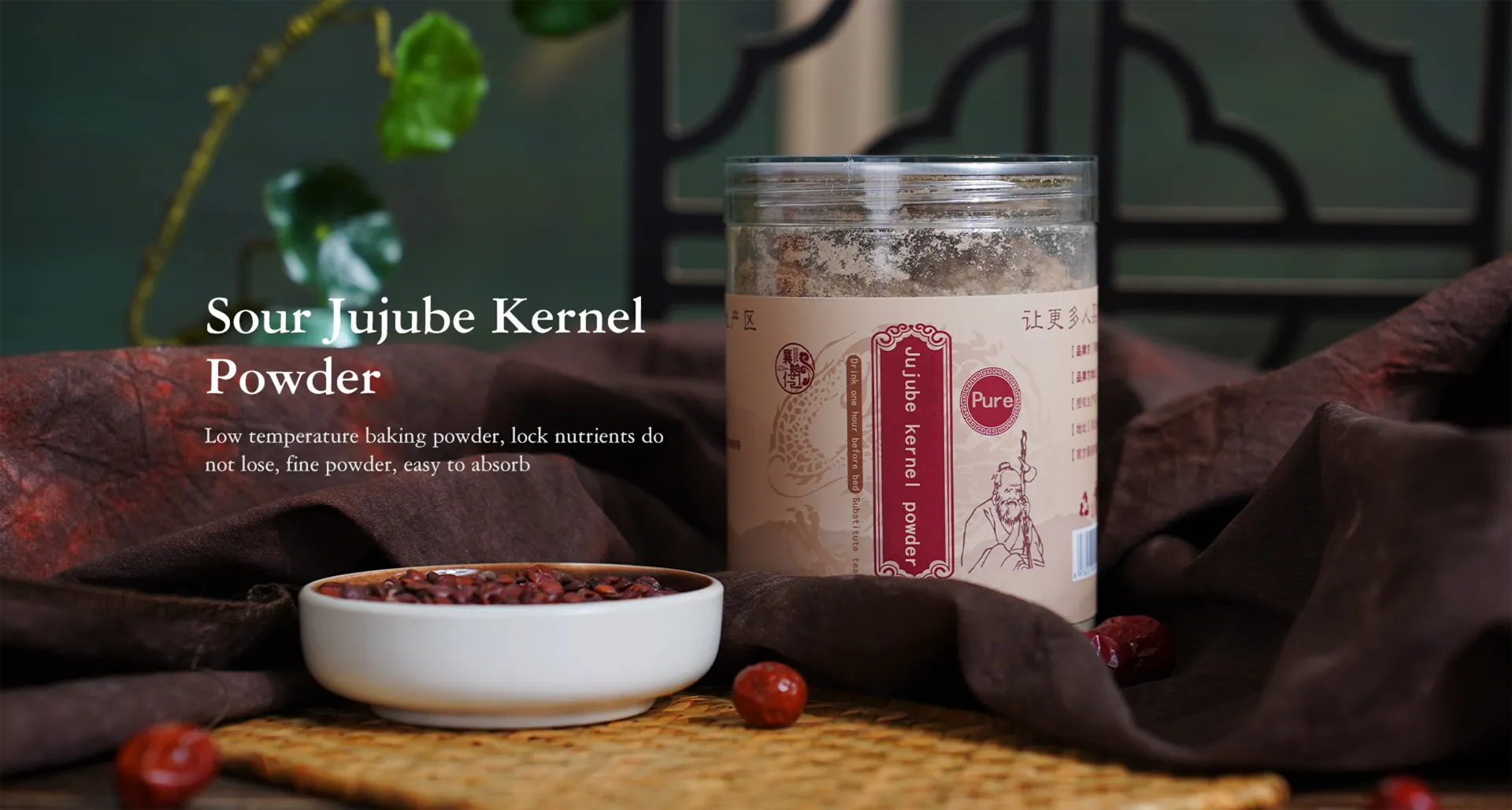
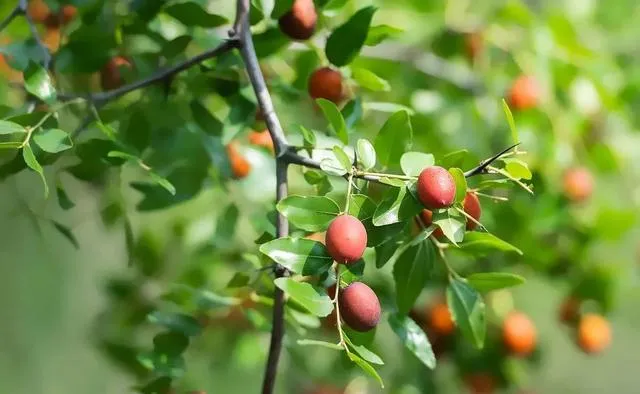
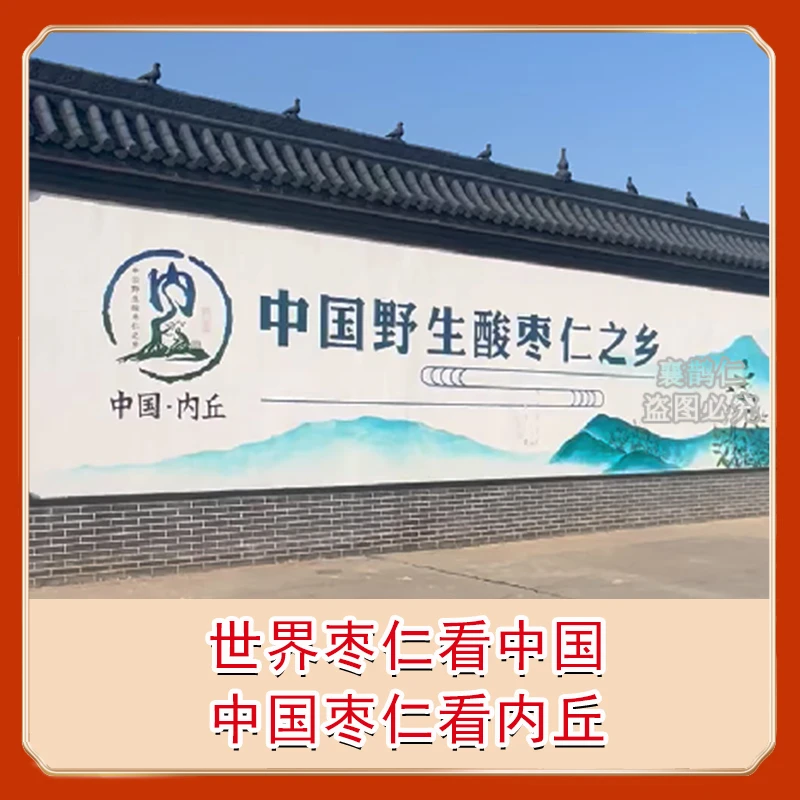
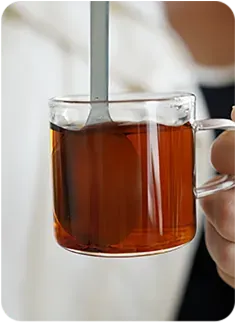
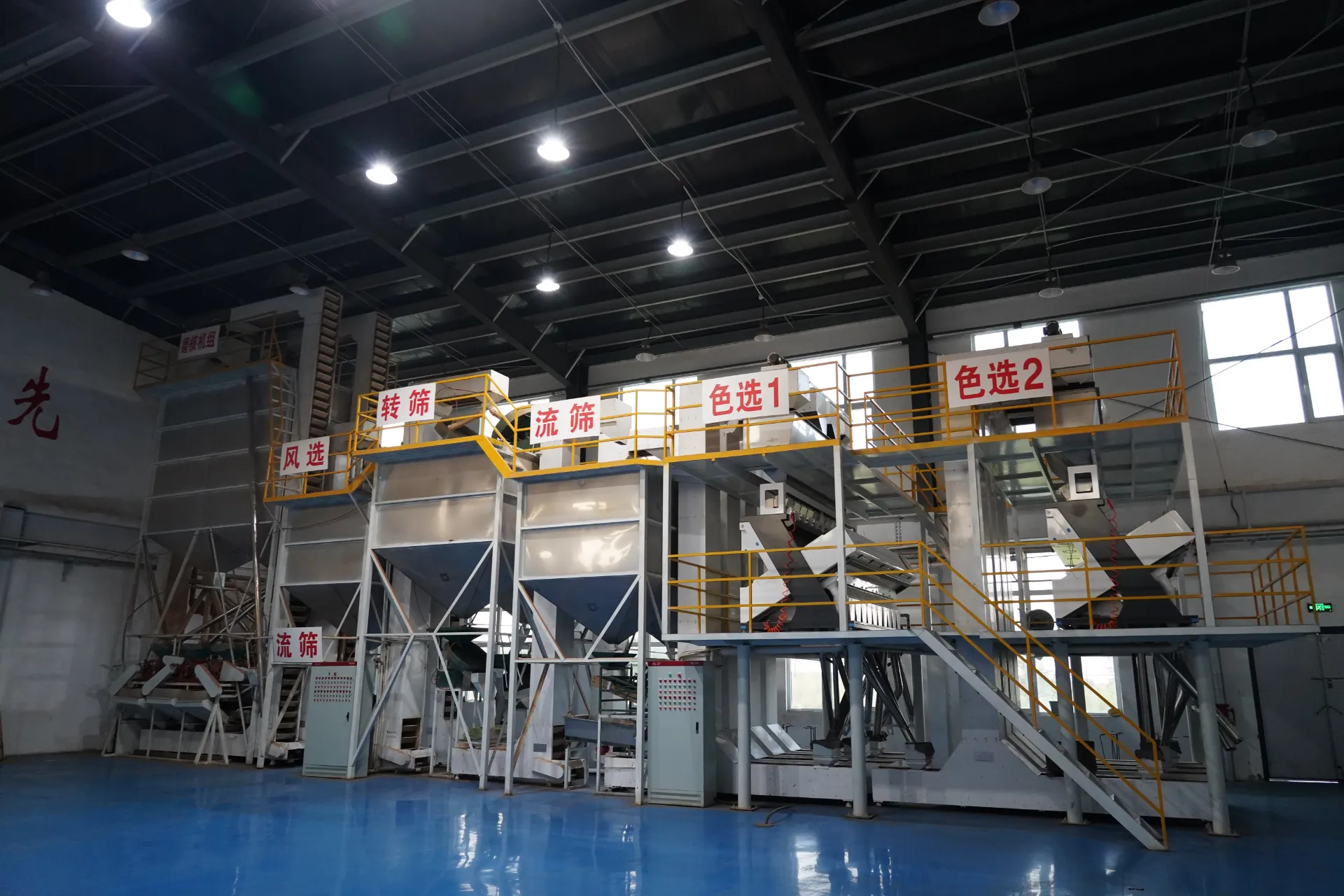
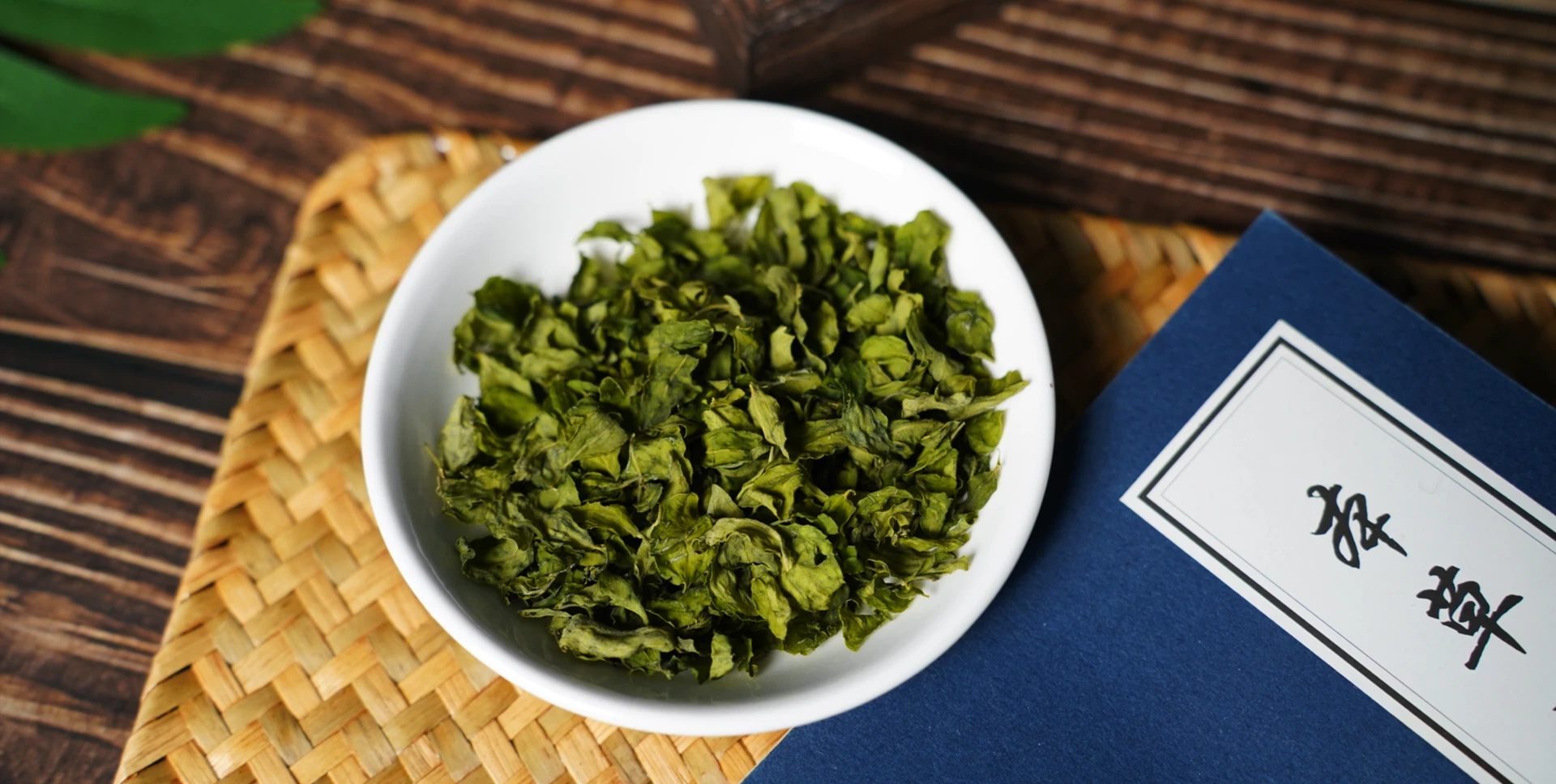
Sourcing Notes and a Deep-Dive on Sour Jujube Lily Poria Tea Origin: North side of Jinan International Logistics Port, Neiqiu County, Xingtai City, Hebei Province. To be honest, that specific terroir matters—Hebei’s dry, bright climate tends to preserve the clean aroma of suanzaoren (Ziziphus jujuba var. spinosa) while keeping moisture low. Market pulse and why this matters Functional herbal infusions are trending—sleep, calm, and gut comfort lead the pack. Many buyers tell me they want clean-label, caffeine-free evening rituals that feel premium yet everyday. Sour Jujube Lily Poria Tea fits that brief: suanzaoren traditionally for quieting the mind, lily bulb for gentle yin nourishment, poria for mild digestive support. It’s not magic; it’s a tidy, time-tested blend executed with modern QA. Technical specifications (real-world use may vary) Product Sour Jujube Lily Poria Tea , deep-nutrition, scientifically proportioned Ingredients (dry) Sour jujube kernel ≈50–60%, Lily bulb ≈20–30%, Poria ≈15–25% Cut size / form Herbal cut 3–8 mm or pyramid tea-bag grade; OEM sachets 2–5 g Moisture ≤ 8% (GB 5009.3) Microbiology TPC ≤ 1×10³ CFU/g; Yeast/Mold ≤ 100 CFU/g; Pathogens n.d. (GB 4789 series) Mycotoxins / Residues Aflatoxin B1 ≤ 5 μg/kg (GB 2761); Pesticides per GB 2763; Heavy metals per GB 2762 Brew guidance 200–300 ml at 90–95°C; 3–5 min; 1–2 infusions. Evening use favored. Shelf life 18–24 months sealed; store ≤25°C, RH ≤65%, away from light Certifications (typ.) ISO 22000/HACCP; GMP-like workshop; COA per lot; GB 7718 labels Process flow (how the “natural, green, safe” promise is kept) Materials: suanzaoren from Hebei foothills, fresh lily bulb, cultivated Poria cocos. Methods (brief): Incoming QC: moisture, ID via microscopy/TLC, pesticide screen (GB 2763), heavy metals (GB 5009.268). Prep: washing, low-temp dehydration; suanzaoren light roast at ≈120–140°C to lift aroma without scorching. Cut & blend: controlled ratio with on-line sieving; magnetic and metal detection. Packaging: nitrogen-flushed sachets or bulk; stability testing (accelerated 40°C/75%RH & real-time). Release: COA issuance; retain samples; traceability kept to plot/lot. Where it’s used (and why customers keep reordering) Hospitality: turn-down amenity for better sleep scores; many customers say late check-ins love it. Wellness retail: “evening calm” sets, caffeine-free shelves. Corporate gifting: stress-care kits; private-label tins look classy. TCM and yoga studios: workshop samplers; surprisingly high repeat purchase at month 2. Advantages at a glance Sour Jujube Lily Poria Tea preserves the kernel’s character—clean, nutty, soothing—while lily and poria round out mouthfeel. Low astringency, zero caffeine, and solid compliance data. I guess the biggest win is consistency across lots. Vendor comparison (indicative) Vendor Origin/Traceability Certs MOQ Lead time Customization Hebei Producer (XQR) Single-area plots; batch-level COA ISO 22000, HACCP ≈ 2000 sachets 10–20 days Ratios, cut size, private label OEM Blender Multi-region sourcing HACCP ≈ 5000 sachets 20–30 days Label/packaging focus Trading House Variable Varies Flexible Stock dependent Limited Customization Options include ratio tweaks for stronger soothing notes (↑ suanzaoren), gentler profiles (↑ lily), sachet weights (2–6 g), pyramid bags, tins vs. kraft pouches, sugar-free flavor hints, and bilingual GB 7718-compliant labels. Field notes and case studies Boutique hotel (80 rooms): added Sour Jujube Lily Poria Tea to turn-down; guest sleep-related mentions rose ≈12% in reviews within 8 weeks. Cross-border e-comm brand: starter kit with 10 sachets; repeat rate hit 23% by month 3 (SKU-level CRM data, internal). Wellness clinic: swapped sugary night drinks for this tea; staff reported fewer late-night “crash” comments—anecdotal, but consistent. Compliance & testing Lots ship with COA covering moisture, TPC, aflatoxins, heavy metals, and pesticide residues per GB standards. Facilities typically run ISO 22000/HACCP; some lots carry additional origin certificates. In fact, I like seeing stability data attached—accelerated curves say more than brochures. References GB 2761—Food Safety Standard: Maximum Levels of Mycotoxins in Foods. GB 2762—Food Safety Standard: Maximum Levels of Contaminants in Foods. GB 2763—Food Safety Standard: Maximum Residue Limits for Pesticides in Foods. ISO 22000:2018—Food safety management systems—Requirements. Pharmacopoeia of the People’s Republic of China (2020), Vol. I—Semen Ziziphi Spinosae (Suanzaoren) monograph.
-
2023YearEstablished
-
25,382m²Covers a Total Area
-
12,000AcresHigh-Quality Planting Base
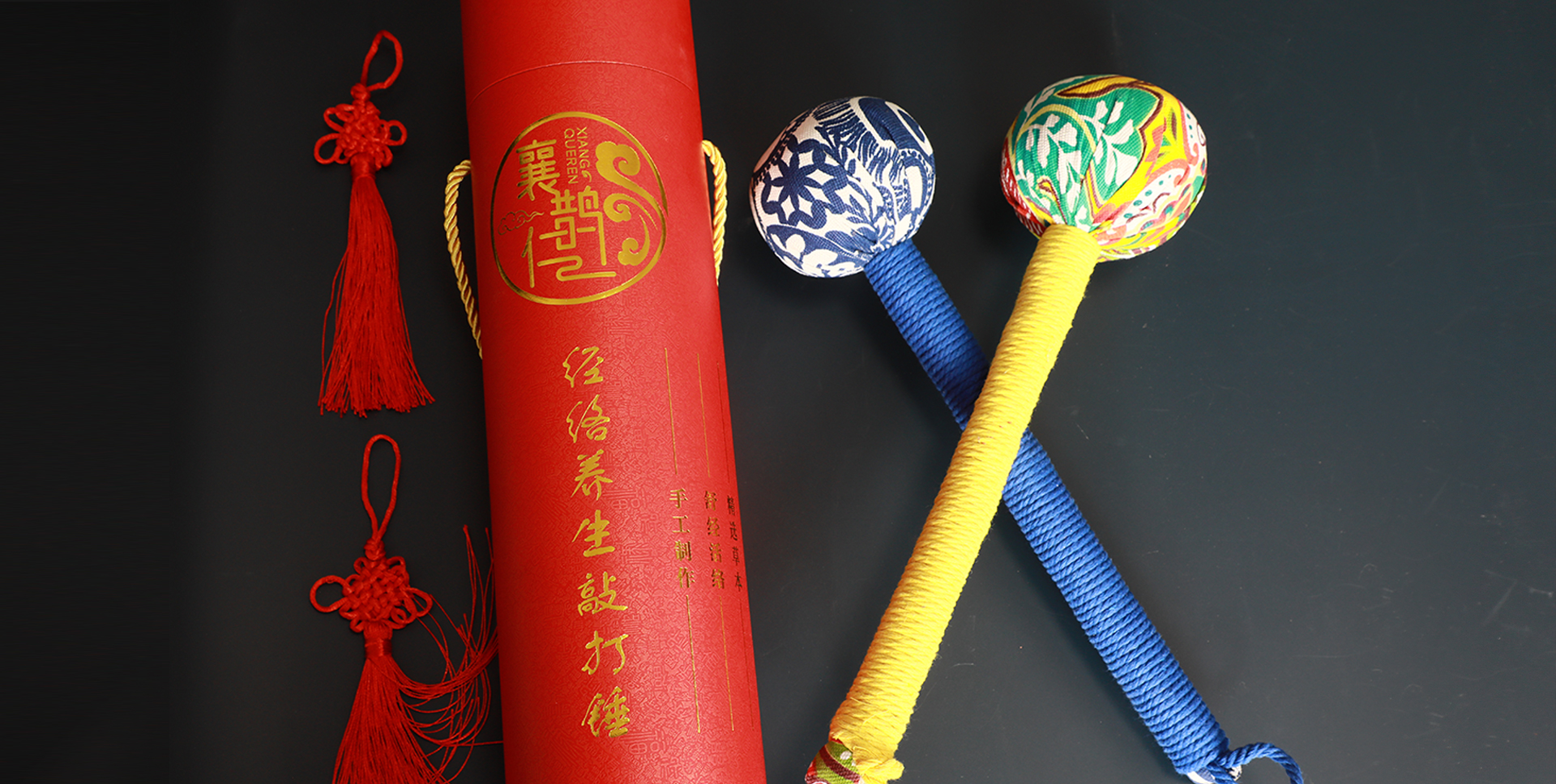
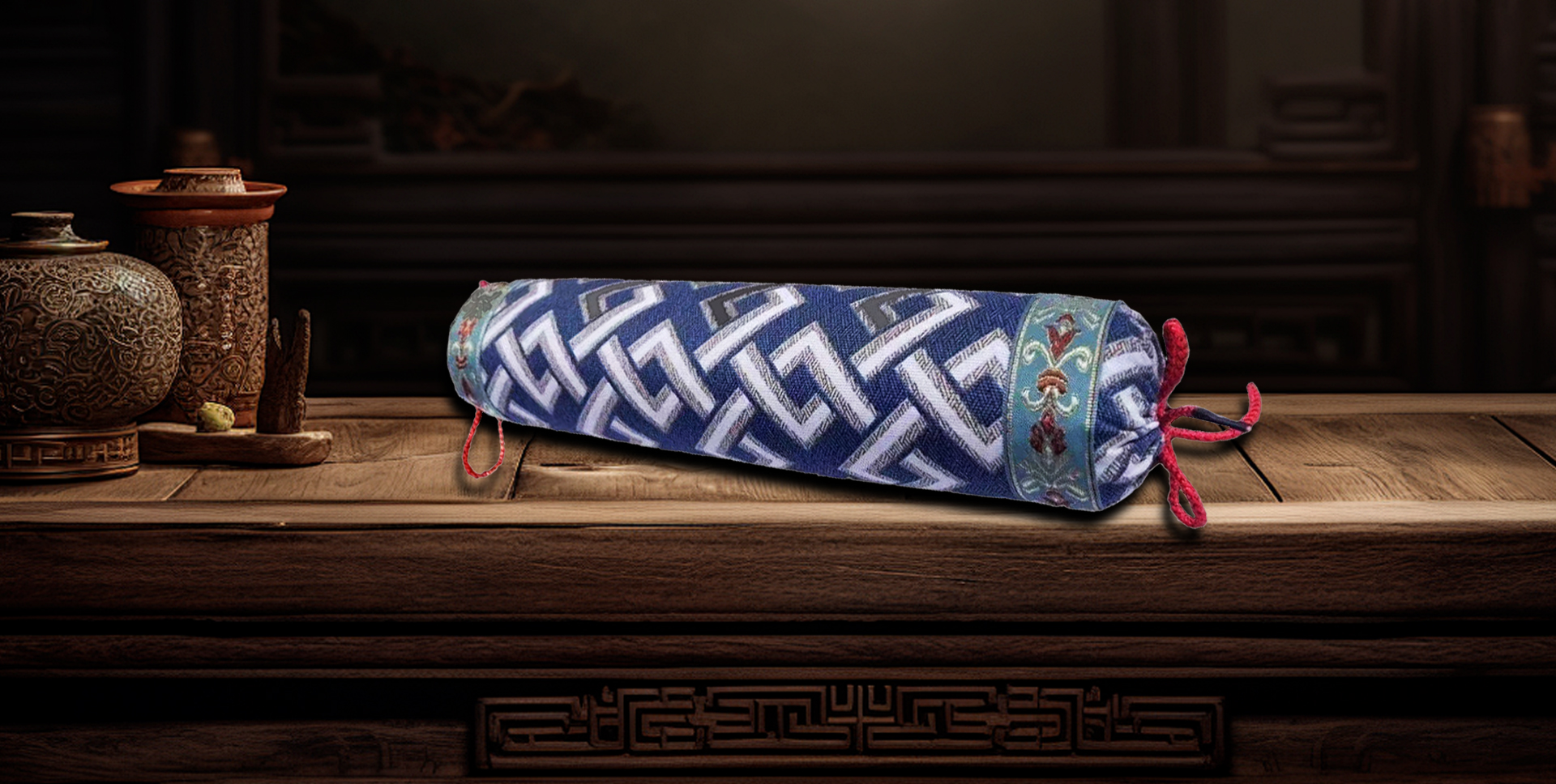
-
Food and DrinkThe nutritional value of jujube is very high, mainly reflected in its composition. It not only like other fruits, contains potassium, sodium, iron, zinc, phosphorus, selenium and other trace elements; More importantly, fresh jujube contains a lot of vitamin C, its content is 2-3 times that of red jujube, 20-30 times that of citrus, and the utilization rate in the human body can reach 86.3%, which is the best of all fruits.
-
Health Care FieldSour jujube acid has the function of promoting blood circulation and dispelling wind, and the use of jujube acid pillow can promote blood circulation in the head and relieve the symptoms of headache and migraine. Long-term use of pillows can also reduce the frequency of headaches.
-
Sleep Aid FieldSour jujube kernel is a traditional Chinese medicine. Flat, sweet taste. Into the heart, liver meridian. It has the effect of nourishing blood blood and liver blood, calming the heart, producing body fluid, and collecting weak sweat. It is mainly used to treat disturbance, insomnia, palpitation, palpitation and dream, sweating, thirsty mouth, dry eyes and other diseases caused by insufficient blood and liver.
- Food and Drink
- Health Care Field
- Sleep Aid Field


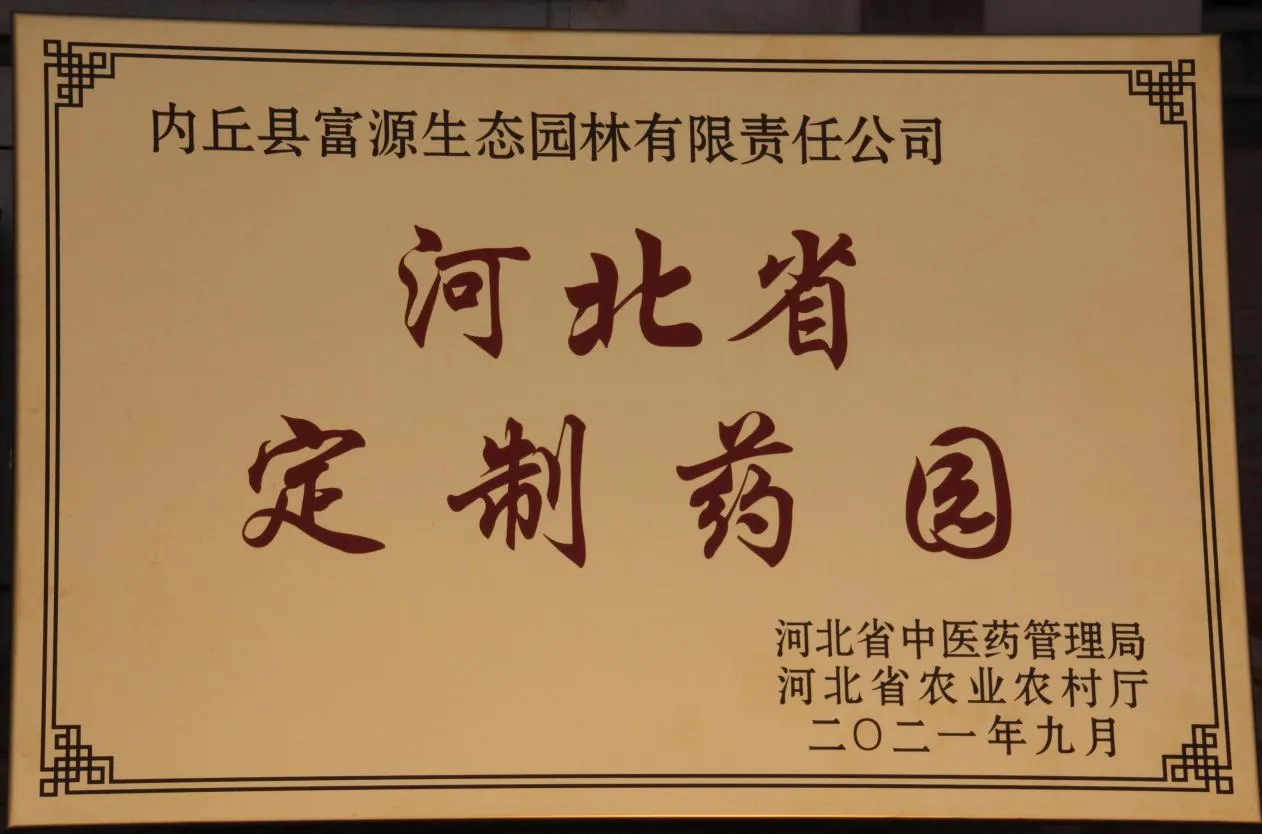
Customized Medicine Gardens in Hebei Province

Key Leading Enterprises
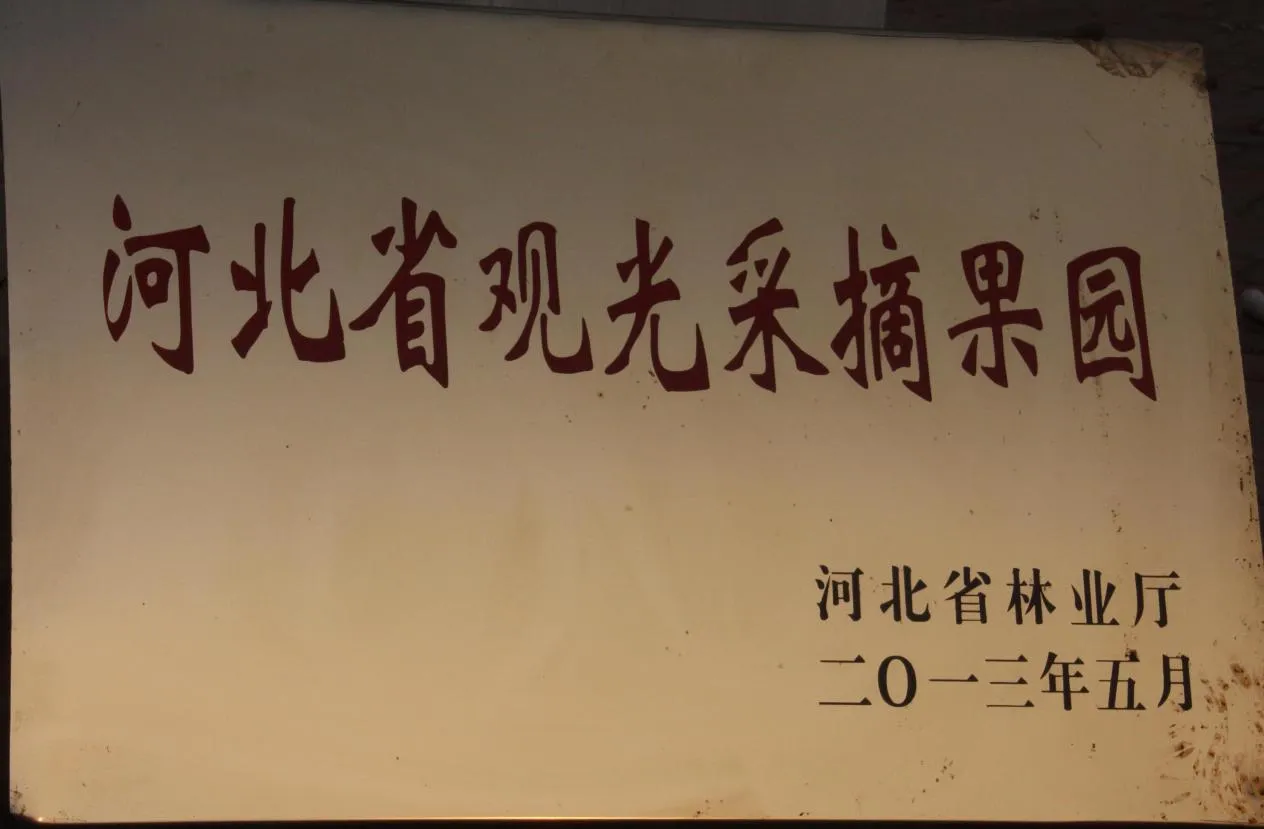
Sightseeing and Picking Gardens in Hebei Province

“12396” Xinghuo Science and Technology in Neiqiu County
Customized Medicine Gardens in Hebei Province
Key Leading Enterprises
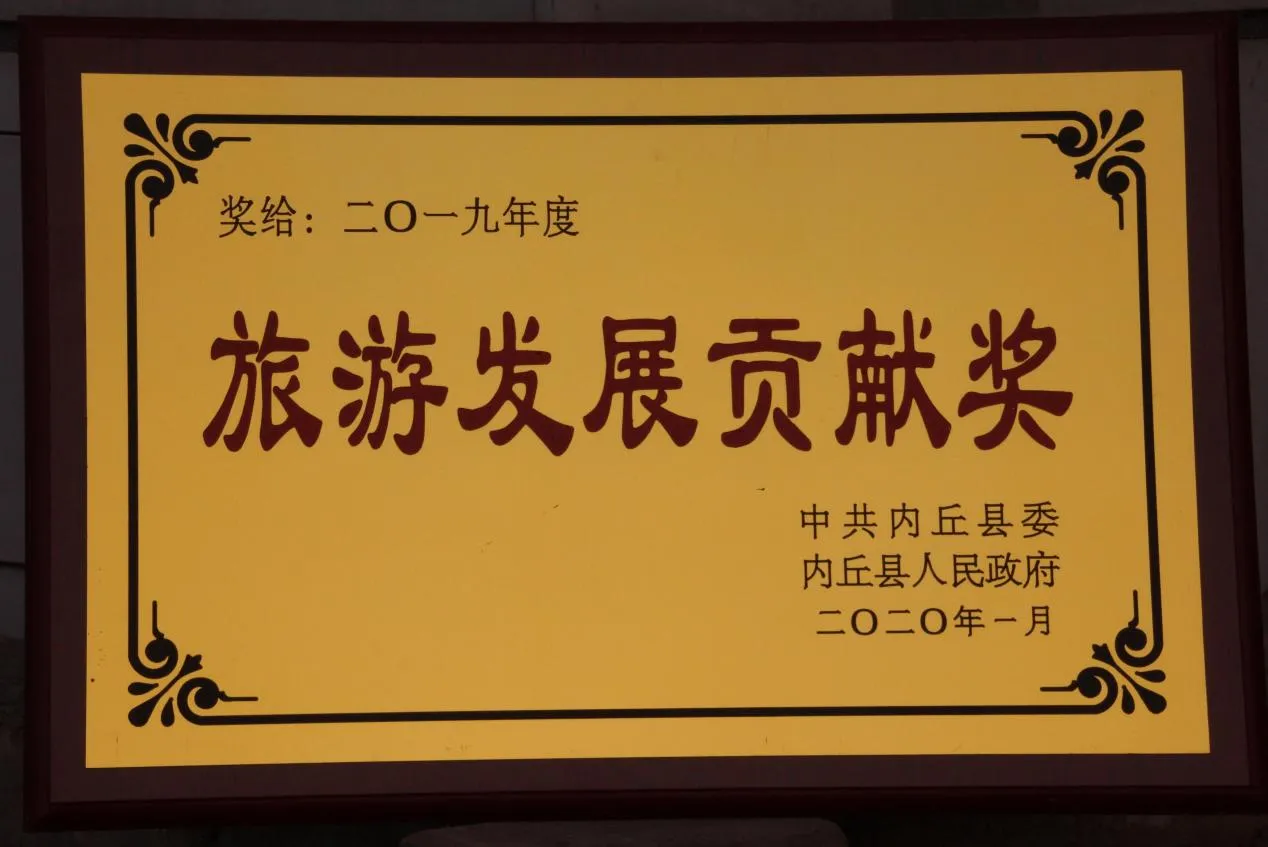
Tourism Development Contribution Award
Sightseeing and Picking Gardens in Hebei Province
“12396” Xinghuo Science and Technology in Neiqiu County
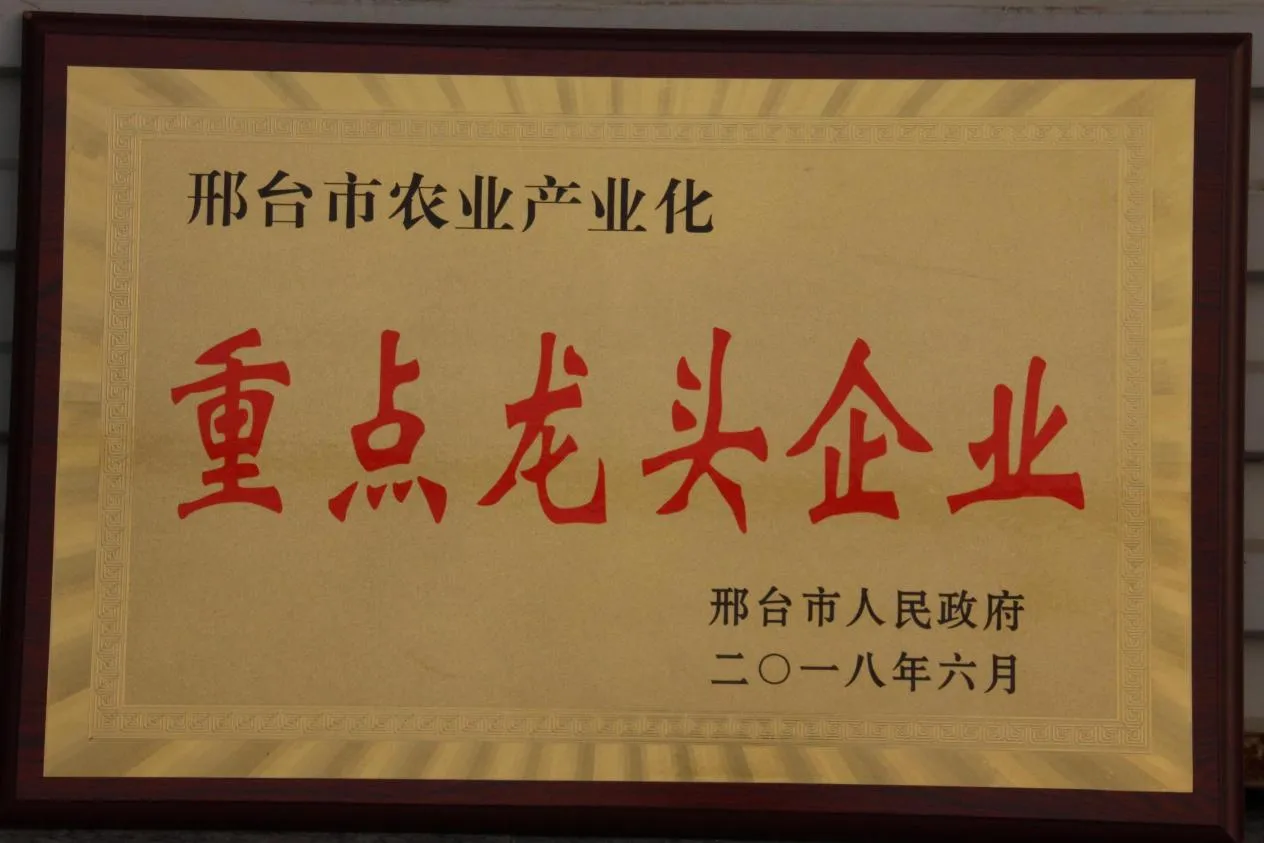
Key Leading Enterprises in Agricultural Industrialization of Xingtai City
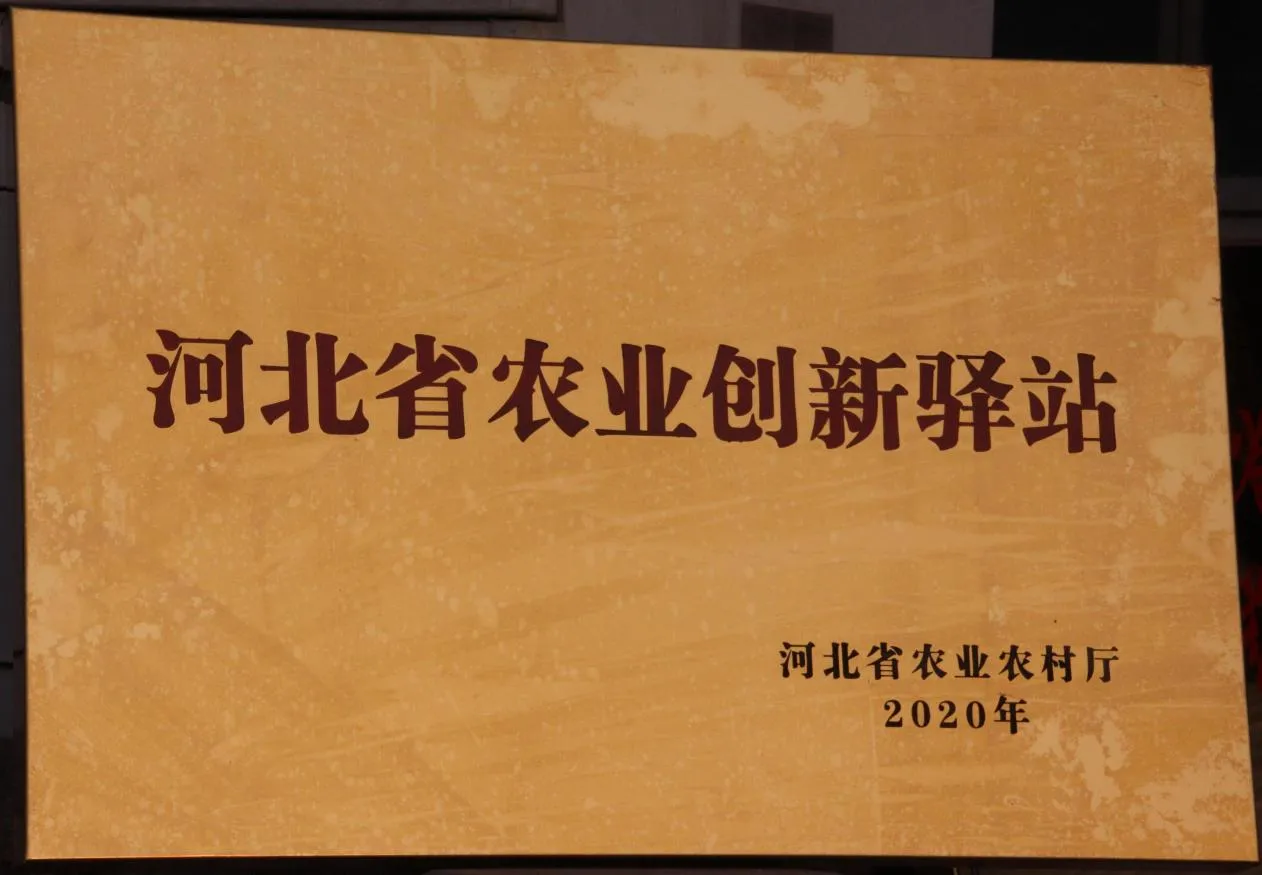
Agricultural Innovation Stations in Hebei Province
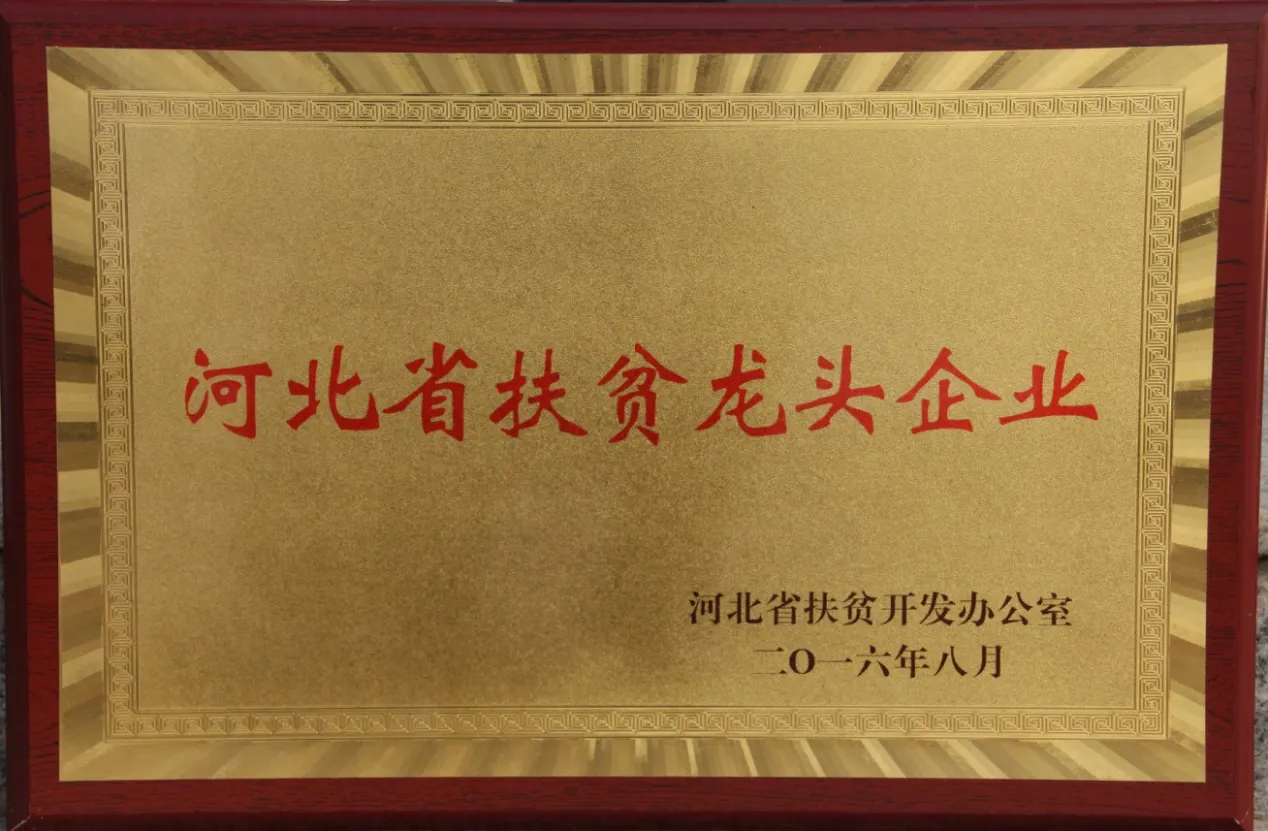
Leading Poverty Alleviation Enterprise
-

 2026-04-04 10:27
2026-04-04 10:27 -
2026-04-04 09:02
2026-04-04 09:02 -
2026-04-04 08:20
2026-04-04 08:20